RealTime Analytics & Reporting: 7 Smarter Ways to Turn Live Data into Business Decisions
What Is RealTime Analytics & Reporting?
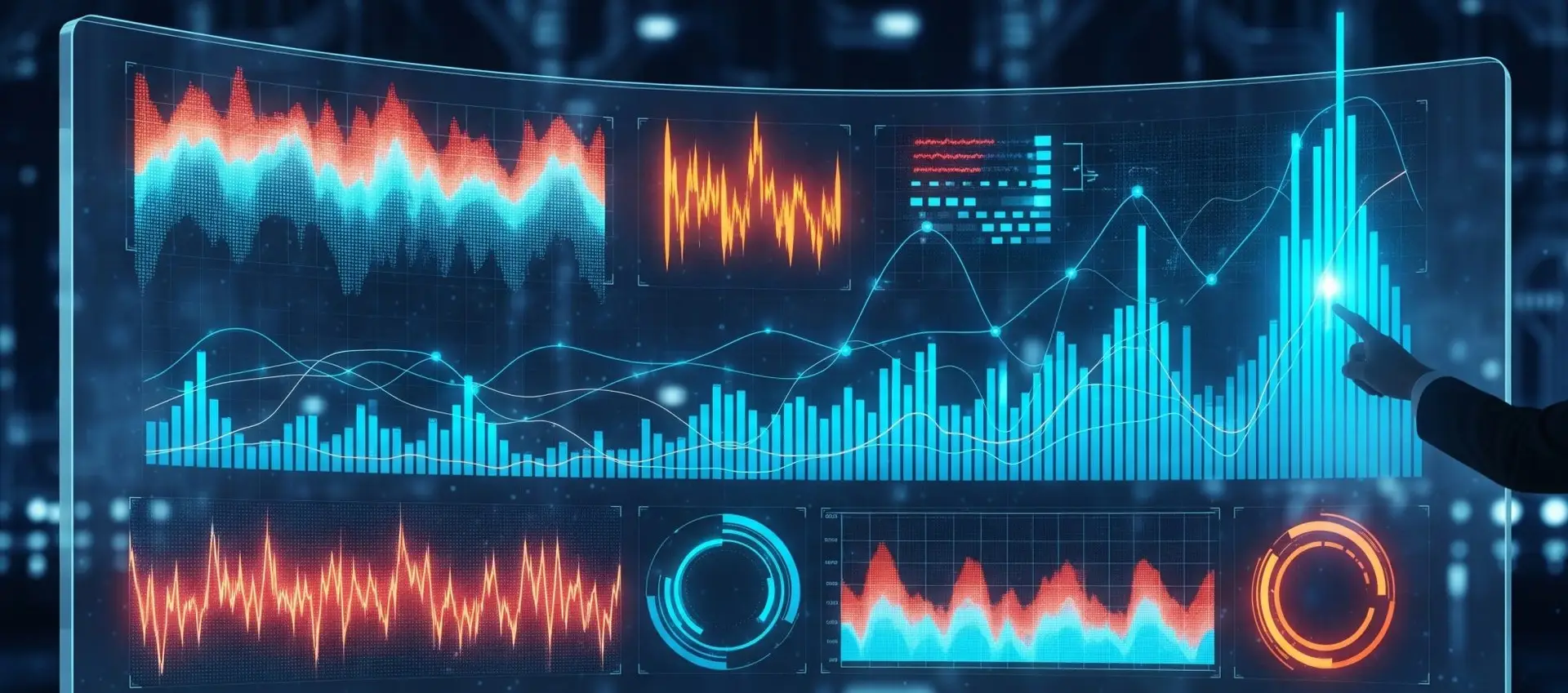
RealTime Analytics & Reporting is the capability to collect, process, analyze, and visualize data immediately as it is generated. Instead of relying on delayed, historical reports, organizations gain instant visibility into operations, performance metrics, and emerging issues.
In fastmoving business environments, decisions made hours or even minutes too late can result in lost revenue, operational disruptions, or poor customer experiences. Realtime analytics ensures leaders act on what is happening now, not what already happened.
Why RealTime Analytics Matters More Than Ever
Traditional reporting systems were designed for periodic review. Today’s businesses require continuous insight.
Organizations increasingly operate across:
- Digital sales channels
- Distributed teams
- Highvolume transactions
- Complex customer journeys
RealTime Analytics & Reporting provides the agility needed to monitor performance, detect issues early, and respond immediately, turning data into a competitive advantage.
How RealTime Analytics & Reporting Works
A modern realtime analytics architecture includes:
- Live Data Ingestion – Data streams from applications, systems, and devices
- Processing & Validation – Data is cleaned and processed instantly
- Analytics Engine – Metrics, rules, and calculations run continuously
- Dashboards & Alerts – Insights are visualized and shared in real time
- Audit & History – Data is stored for analysis and compliance
This approach ensures both immediacy and traceability.
7 Smarter Ways RealTime Analytics & Reporting Drives Business Value
1. Smarter Decision Making at the Right Moment
Decisions are only as good as the data behind them.
RealTime Analytics enables leaders to:
- Monitor KPIs live
- Identify deviations instantly
- Take corrective action before problems escalate
This shifts organizations from reactive management to proactive control.
2. Smarter Operational Visibility
Without realtime insight, operational teams work blind.
RealTime Analytics & Reporting provides continuous visibility into:
- Order processing
- Inventory levels
- System performance
- Workflow bottlenecks
This allows teams to optimize operations while they are happening, not after the fact.
3. Smarter Customer Experience Management
Customer behavior changes in real time and so should responses.
Live analytics helps organizations:
- Track customer interactions instantly
- Identify service delays or issues
- Personalize engagement based on live data
This improves responsiveness and customer satisfaction.
4. Smarter Risk Detection and Mitigation
Risks often appear as small anomalies before becoming major issues.
RealTime Analytics detects:
- Unusual transaction patterns
- System performance drops
- Compliance exceptions
Early detection reduces financial, operational, and reputational risk.
5. Smarter Performance Monitoring Across Teams
Static reports hide performance trends.
RealTime Analytics & Reporting allows teams to:
- Monitor individual and team performance live
- Align daily actions with business goals
- Encourage accountability through transparent metrics
This creates a performance driven culture supported by data.
6. Smarter Integration With Enterprise Systems
Realtime analytics is most powerful when connected across the enterprise.
Modern implementations integrate with:
- ERP systems
- CRM platforms
- Data warehouses
- Operational applications
Providers like Antasis specialize in building realtime analytics frameworks that integrate seamlessly into existing enterprise ecosystems.
Learn more here: https://antasis.com/real-time-analytics-reporting/
7. Smarter Scalability for Growing Data Volumes
As businesses grow, data volumes increase exponentially.
RealTime Analytics architectures are designed to:
- Handle highfrequency data streams
- Scale across departments and regions
- Support future analytics and AI initiatives
This ensures longterm value and adaptability.
RealTime Analytics vs Traditional Reporting
Aspect | Traditional Reporting | RealTime Analytics & Reporting |
Data Freshness | Hours or days old | Live |
Decision Speed | Reactive | Proactive |
Dashboards | Static | Dynamic |
Alerts | Manual | Automated |
Risk Detection | Delayed | Immediate |
Business Agility | Limited | High |
Traditional reporting explains the past. Realtime analytics shapes the present.
Industries That Benefit Most From RealTime Analytics
Retail and ECommerce
Track sales, inventory, and customer behavior live.
Manufacturing
Monitor production, equipment performance, and quality metrics.
Finance
Detect anomalies, manage risk, and monitor cash flow in real time.
Healthcare
Track patient flow, system utilization, and operational performance.
Logistics
Monitor shipments, delays, and supply chain performance instantly.
Best Practices for Implementing RealTime Analytics & Reporting
- Define clear KPIs before building dashboards
- Start with highimpact use cases
- Ensure data quality at ingestion
- Use rolebased access for security
- Combine realtime and historical views
- Review and refine metrics continuously
Realtime analytics succeeds when insight leads directly to action.
Frequently Asked Questions (FAQs)
Is RealTime Analytics expensive to implement?
- Costs depend on scope and complexity, but phased implementations help control investment.
Does realtime data replace historical reporting?
- No. Both are complementary and serve different decision needs.
Can realtime analytics handle large data volumes?
- Yes. Modern platforms are designed for scalability.
How secure is RealTime Analytics & Reporting?
- Enterprise implementations include encryption, access controls, and audit logs.
Who should use realtime dashboards?
- Executives, operations teams, sales leaders, and customer service teams all benefit.
How quickly can value be realized?
- Many organizations see value within weeks through targeted dashboards.
Conclusion
In today’s fastpaced environment, delayed insight is a lost opportunity.
By adopting Real Time Analytics & Reporting, organizations gain immediate visibility, faster decisionmaking, reduced risk, and stronger performance. The smarter approach is not just collecting data but acting on it in real time.